In-Frame vs. Out-of-Frame Diesel Engine Rebuild: How Do You Know Which One You Need?
An in-frame diesel rebuild can restore worn internal components without removing the engine, while extensive damage may require an out-of-frame rebuild. Learn what separates these repairs and which engine problems can determine the right approach.
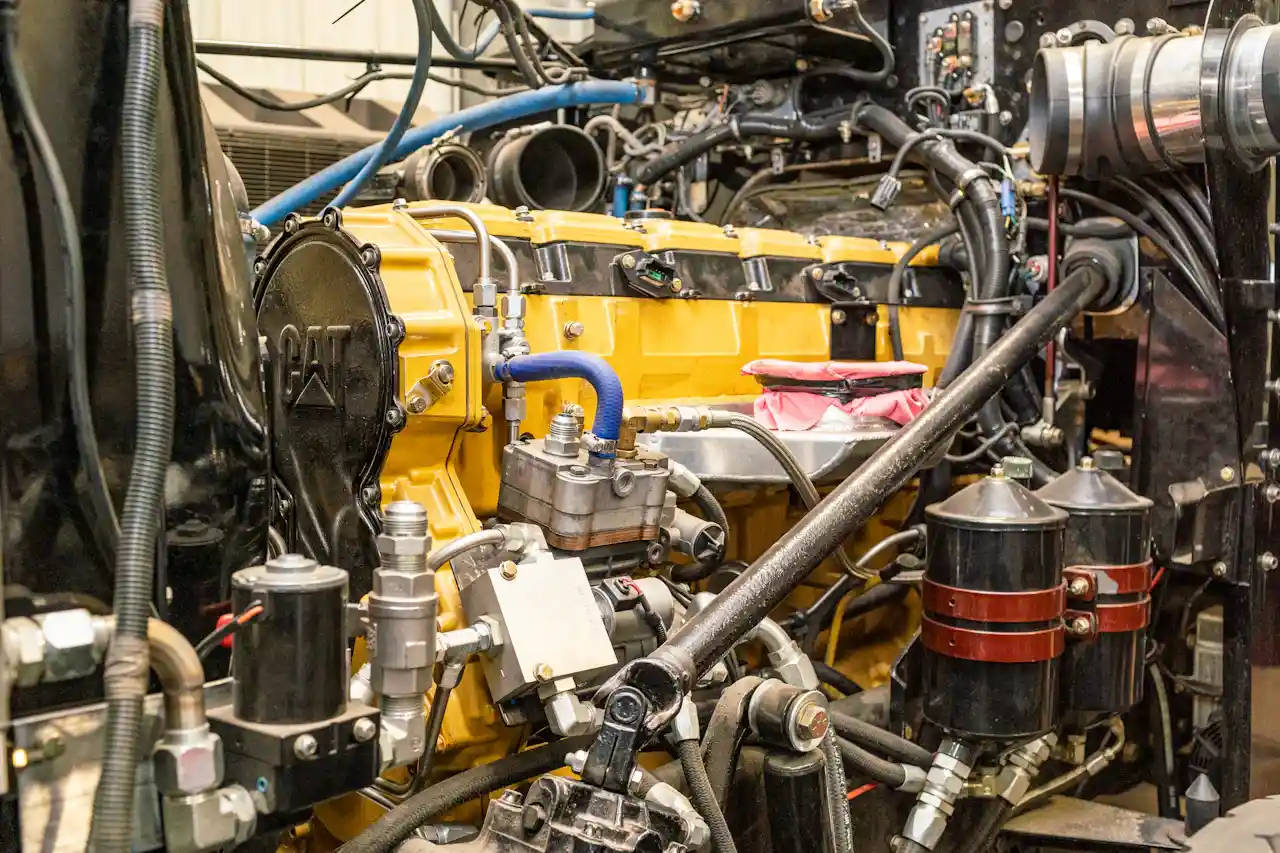
Your diesel engine can lose compression, consume oil, or develop internal wear long before it completely fails. Once those symptoms appear, the bigger question is how extensive the repair needs to be.
An in-frame diesel engine rebuild handles qualifying internal repairs while the engine remains in the chassis. More extensive wear or damage may require an out-of-frame diesel engine rebuild, giving technicians greater access to inspect, measure, machine, and repair internal components.
What Is an In-Frame Diesel Engine Rebuild?
An in-frame rebuild allows technicians to service major internal engine components without removing the entire engine from the truck.
The exact work depends on engine design, inspection results, and component condition. Matt's Repair provides in-frame engine rebuilds and out-of-frame engine services for commercial diesel applications around Sioux Falls.
Depending on the engine and damage, an in-frame rebuild may address:
- Pistons and piston rings
- Connecting rod bearings
- Main bearings where accessible
- Cylinder liners on applicable engines
- Cylinder head components
- Gaskets and seals
- Other accessible internal components
Technicians still need to inspect and measure the engine before recommending this repair. Keeping the engine installed makes sense only when its condition and design allow the required work to be completed correctly.
What Is an Out-of-Frame Diesel Engine Rebuild?
An out-of-frame rebuild starts with removing the engine from the chassis. Technicians can then disassemble it and gain access to areas that may be difficult or impossible to properly service while the engine remains installed.
Engine removal also allows for more comprehensive inspection and measurement.
An out-of-frame rebuild may involve:
- Complete engine removal
- Extensive engine disassembly
- Engine block inspection
- Crankshaft inspection and measurement
- Cylinder inspection
- Bearing inspection
- Piston and liner inspection
- Cylinder head evaluation
- Gasket and seal replacement
- Required machine work
- Reassembly and installation
The engine's actual condition determines the scope. Technicians should base the repair on measurements, inspection findings, and the cause of the original failure.
What Is the Difference Between In-Frame and Out-of-Frame Rebuilds?
Access separates these two diesel engine rebuild approaches.
With an in-frame rebuild, the engine stays mounted in the truck. Technicians concentrate on internal components they can properly inspect and service in that position.
An out-of-frame rebuild requires engine removal. That additional work provides broader access for disassembly, inspection, precision measurements, machine work, and repairs that cannot reasonably be completed with the engine installed.
The practical differences include:
- Engine position: An in-frame keeps the engine installed, while an out-of-frame requires removal.
- Repair access: An out-of-frame provides greater access to the block, crankshaft, and other internal components.
- Disassembly: In-frame repairs generally involve less disassembly than a complete out-of-frame overhaul.
- Machine work: Damage requiring certain machining procedures may require engine removal.
- Labor: Removing and reinstalling an engine adds labor to an out-of-frame repair.
- Repair scope: An out-of-frame rebuild supports a more comprehensive inspection of the engine assembly.
Neither option is automatically better. The correct engine overhaul depends on what failed, what remains serviceable, and what technicians discover during diagnosis and inspection.
What Engine Problems Can Lead to a Rebuild?
A diesel engine often provides warning signs as internal wear progresses. Those symptoms do not prove you need a rebuild, but they warrant proper diesel engine diagnostics.
Watch for:
- Excessive engine oil consumption
- Low oil pressure
- Loss of compression
- Excessive blow-by
- Persistent abnormal exhaust smoke
- Internal knocking or unusual noises
- Metal contamination in engine oil
- Coolant entering the oil
- Oil entering the cooling system
- Repeated overheating
- Noticeable power loss
Some of these symptoms can come from problems outside the engine's core internal components.
Low power, for example, may involve the fuel system, turbocharger, air intake, aftertreatment system, sensors, or electronic controls. Proper testing helps separate those faults from internal engine wear before you commit to a rebuild.
How Do Technicians Choose Between In-Frame and Out-of-Frame?
Mileage alone cannot make the decision.
A high-mileage engine with consistent maintenance may be in better internal condition than a lower-mileage engine that experienced overheating, oil starvation, contamination, or another damaging event.
Technicians may evaluate:
- Engine oil pressure
- Oil consumption
- Blow-by
- Compression
- Fluid contamination
- Diagnostic trouble codes
- Internal engine noises
- Cylinder condition
- Bearing condition
- Crankshaft condition and measurements
- Engine block condition
- Previous repair history
Finding the cause of the damage matters too.
Installing new internal components without correcting a lubrication, cooling, fuel, or contamination problem can expose the rebuilt engine to the same conditions that damaged it the first time.
When Does an In-Frame Rebuild Make Sense?
An in-frame rebuild may make sense when internal wear requires substantial repair, but the engine block and other critical components remain serviceable.
The engine design must also allow technicians to perform the required work correctly while it remains in the chassis.
Cost alone should not determine the choice. An in-frame may involve less labor than removing the complete engine, but choosing the smaller repair will not help if damage extends into areas that require greater access.
A well-maintained truck can also be a stronger candidate for substantial engine work if its transmission, driveline, frame, suspension, electrical system, and other expensive components remain in good condition.
Long service life is possible with commercial equipment, and examples of million-mile truck maintenance show why the condition and maintenance history of the complete truck matter when considering another major engine investment.
Should You Rebuild the Engine or Replace the Truck?
A rebuildable engine does not automatically mean rebuilding the truck's engine makes financial sense.
Look beyond the engine before committing to a major repair.
Consider the condition of the:
- Transmission
- Clutch on applicable trucks
- Differentials
- Driveshaft and driveline
- Cooling system
- Aftertreatment system
- Suspension
- Electrical system
- Frame and chassis
- Cab and body
Downtime matters as well. A rebuild removes a working truck from service, so fleets and owner-operators need to consider repair expenses alongside the truck's remaining value and expected service life.
An older truck facing several major repairs creates a different calculation than a well-maintained truck with one significant engine problem. Evaluating the broader engine rebuild decision can help owners think through those competing costs before committing to major engine work.
How Does Preventive Maintenance Affect Diesel Engine Rebuilds?
Lubrication and cooling problems can cause severe internal engine damage. Low oil pressure can leave bearings and other moving components without adequate lubrication. Overheating can damage gaskets, cylinder head components, seals, and other parts exposed to excessive temperatures.
Regular diesel engine maintenance gives you opportunities to catch developing problems earlier. Check engine oil for proper level and condition. Investigate unexplained oil loss instead of repeatedly adding oil without determining where it is going.
Coolant deserves the same attention. Recurring coolant loss, contamination, leaks, or unexplained increases in operating temperature should be diagnosed before the problem becomes severe.
Our guide to diesel fluid checks explains how engine oil, coolant, transmission fluid, gear oil, and other fluids fit into preventive fleet maintenance. Good maintenance cannot guarantee an engine will never require a rebuild. It can help prevent avoidable damage and create service records that provide valuable context when technicians investigate internal engine problems.
Choose the Right Engine Rebuild
An in-frame diesel engine rebuild can address qualifying internal wear without removing the engine, while an out-of-frame diesel engine rebuild provides greater access when damage, inspection, measurements, or machining require it. The engine's actual condition should determine the repair.
If your diesel truck is consuming excessive oil, losing power, showing low oil pressure, or developing other signs of internal engine trouble, contact Matt's Repair in Sioux Falls, SD. Proper diagnostics can determine the extent of the damage before you commit to a diesel engine repair, rebuild, or overhaul.
Customer Testimonials
Contact Information
Phone Number
605-582-4725Hours
9:00AM - 6:00PM EST